Design System
Product and Design Manager
Internal Designers and Developers
24 Months
1 Product Owner
1 Development Manager
8-14 Developers
1 Scrum Master
2-3 Visual Designer
1 Design Technologist
Overcoming a legacy design system of spaghetti code and usability issues. The legacy design system was a fork of a pre 1.0 beta release of Material. A design system being developed for mobile consumer applications that created usability issues when used on desktop enterprise applications.
The design system lacked investment, the team was one design lead doing “lift and shift” of Material to Sketch and 20% of a developer addressing defects only. Design specifications existed but they weren't developed. Luckily, it had only been adopted by 10-15 of the 140 products in the portfolio.
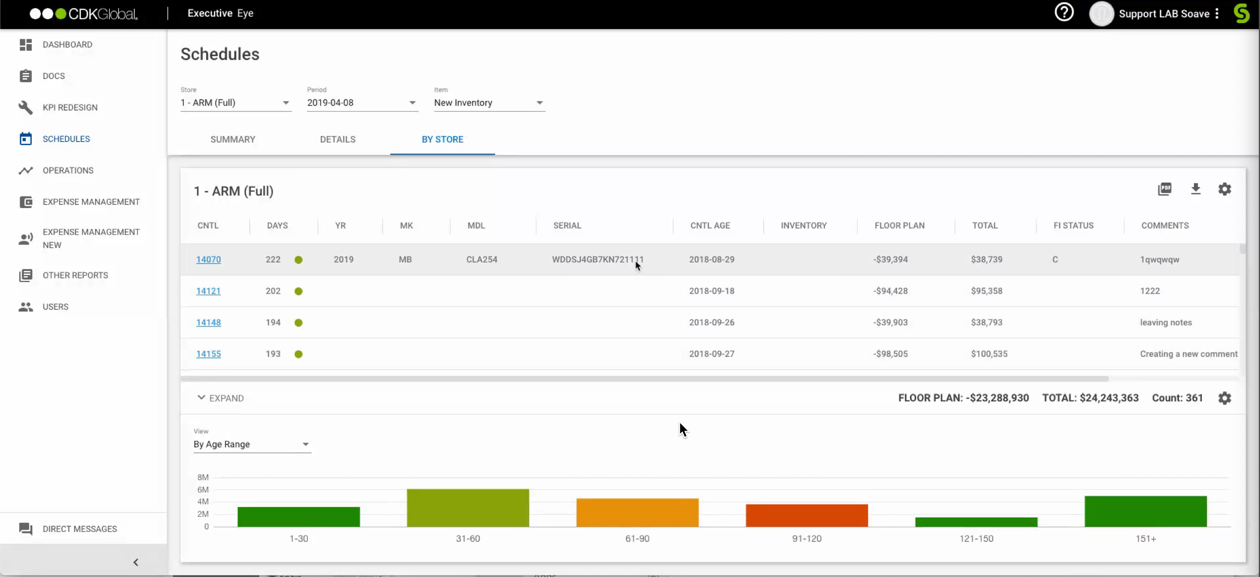
Legacy Product Outcome: The whitespace that the legacy design system created added cognitive load to the user. They could only see a few rows of data from a data set.

Legacy Product Outcome: The use of all-caps, moving labels on fields, and enlarged labels on empty fields slowed the user down. Users could not scan for missing data they had to slow down and read carefully.
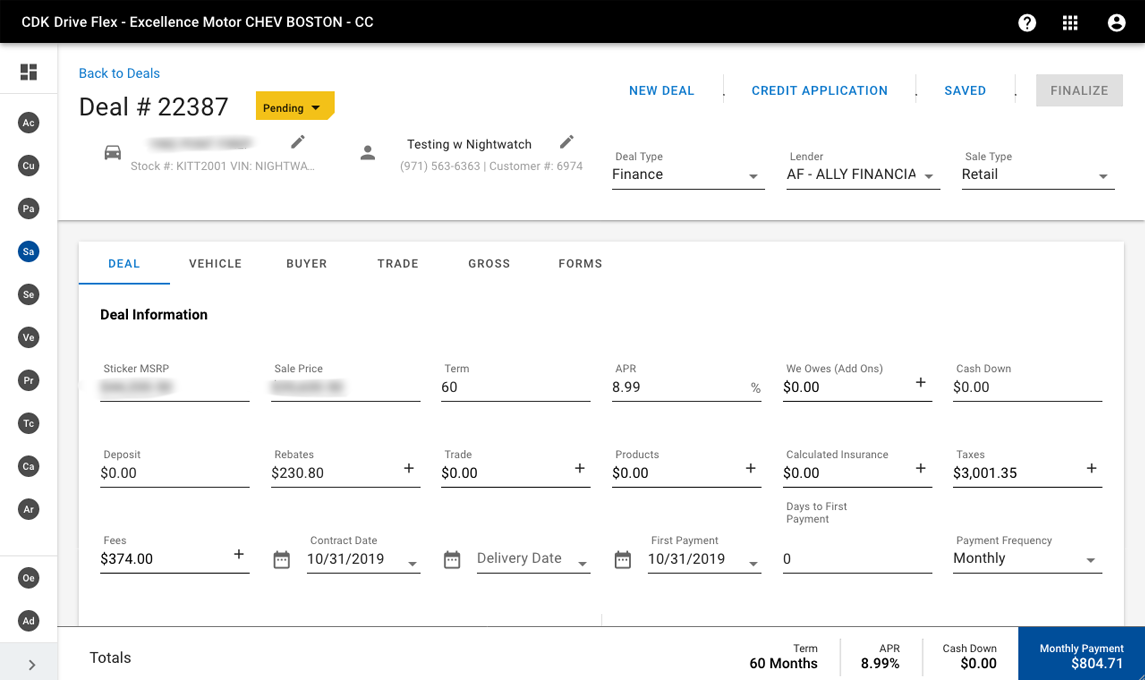
Legacy Product Outcome: Overuse of a grid created form fields that were oversized for the content and trailing action icon became separated from their labels.
I could observe how broken the design system, the design system team and the product outcomes were but I hadn't heard from its users, product designers and developers.
Product developers hated the legacy design system, they avoided using it. They explained that the code library was unstable, fragile and created more work than it solved. As a work around they were creating many redundant code libraries.
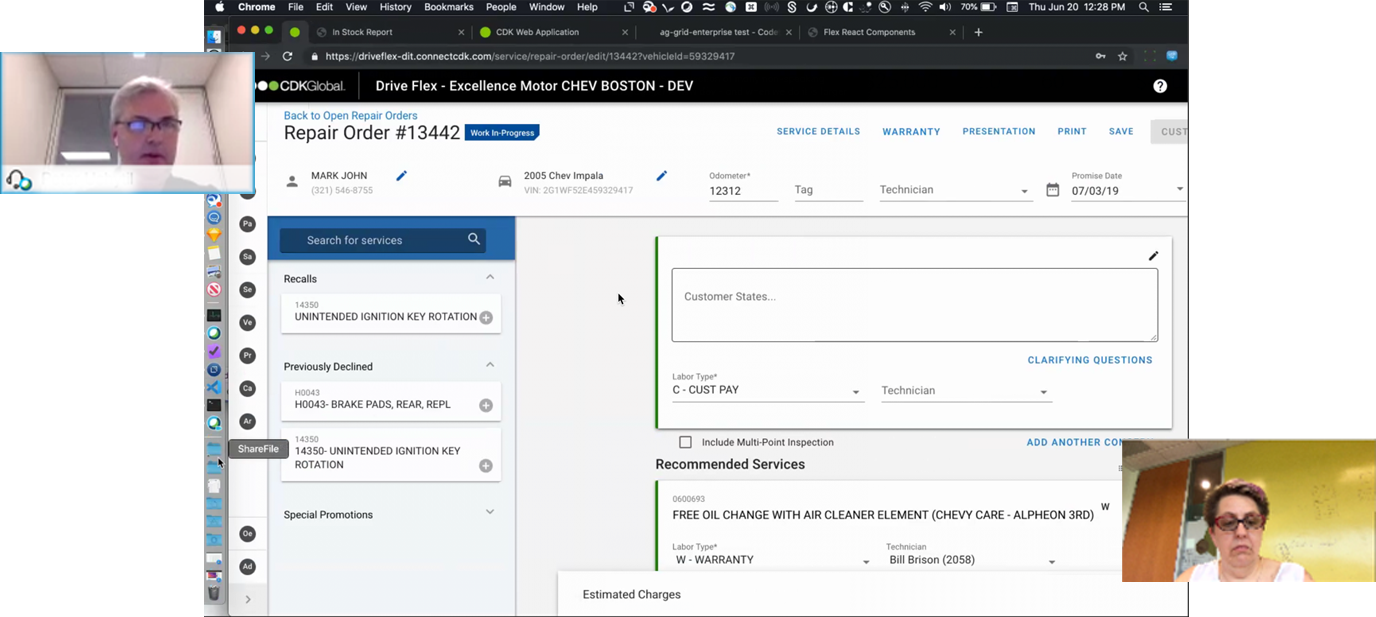
User Interviews: Georgette listening to a designers describe the history of the design system, the challenges he had using it and the friction between the design system team and product designers.
Designers had no love loss for the design system. But getting to why was not going to be easy? They were tight lipped as to why. The only way I was going to learn was by observing the Design System Ambassadors supporting the product designers.
This problem turned out to be bigger than a design system designed for the wrong use/form factors and poor code. There was a police state! The Design System Ambassadors had been directed to command and control how product designers designed. Designers were frustrated, they would design a UI only to be told that they used the wrong components and that they had to redesign the entire experience.
Now that I had a point of view, I presented my insights to leadership and recommended that we take the most cost effective approach, start over. Trying to untangle the spaghetti code was not an option, we couldn't afford the time and it would have never been stable.
We hired an agency to increase the size of the development team and level up our UI development skills. Our audacious goal was to build the last design system that the company needed, so it needed to be flexible, themeable, accessible, and backward compatible.
The design system team needed a reboot too. The police state had tarnished product designers against the “Standards” team.
I staffed the new design team with designers that had development experience and strong UI design skills but none had ever designed an enterprise design system. My previous experience leading the Watson Health Design System came in helpful. We defined WHAT we would design (buttons, dropdowns, etc) and used best practices (atomic design + accessibility) to define HOW we would design. Diverging and converging until we found a design language that worked for our user’s needs - high density + high contrast + the company brand language.

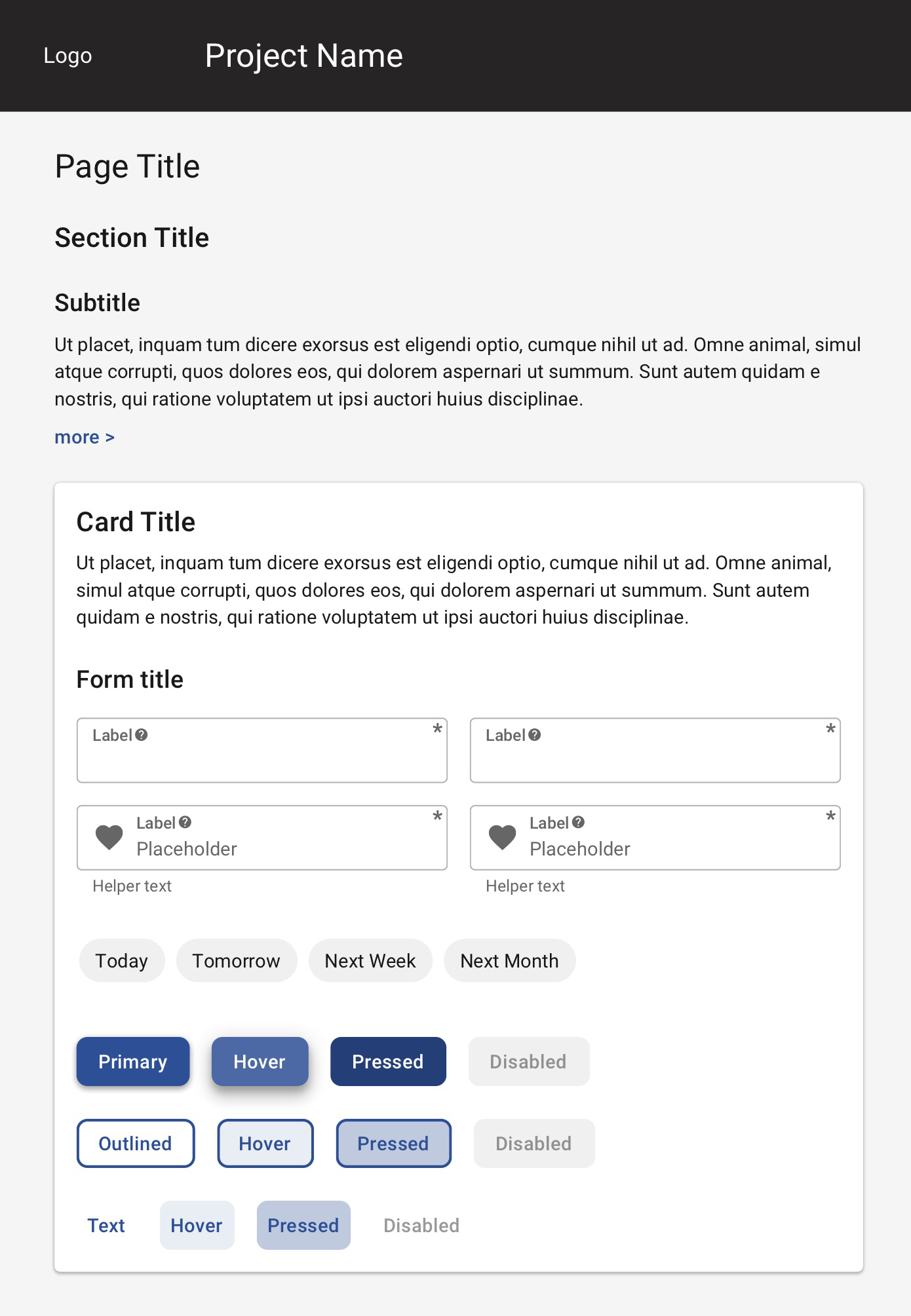
Design System Foundation: Design Principles to guide our every decision and a style tile used to test the design language.
Once we had our direction, we needed speed. Speed is hard with a team divided by discipline, timezone and employment type such as employee or contractor. I set clear expectations and modeled the behaviors of showing work often when it could fail cheaply and be improved. This built speed and transparency into the team. We worked through detailed designs of components prioritizing the most used first so that product teams could adopt quickly.
This wouldn’t be a good story if it didn't have a bump or two in the arc. As we started working with our first adopter we hit a big technical bump. The chief architect had defined that we would use BEM to build components but when he left the company and product developers changed direction deciding they would move to Styled Components. So I did what every product manager hates, refactoring! We doubled the contracting development team to 12 and refactored 5 months of work in 6 weeks!
With code and design ready for our pilot adopter, we harden the design system. As the kinks became fewer and fewer we turned our attention to scaling adoption across the company. I created a change management program that included education, communication, review, and mentorship.
Our next major milestone was to take complete ownership of the design system and off board the development agency. Since two of the company developers joined the team early in the project they had deep understanding of the code so the transition plan was limited to documentation and knowledge transfer.
But the biggest challenge with the transition of ownership was going to be sustaining the investment in the design system. I had to influence the Vice President of Engineering who led a centralized development organization to staff the design system. We had built up a backlog of future work that justified a team of six developers.
We have retired the legacy design system; eliminated all of the usability issues created by the legacy design system; eliminated most of the redundant UI libraries; matured the UI development practice; and driven a single design language across the company portfolio. There is still work to do, 30 years of legacy product code needs to be modernized, so it will be a while before all product experiences have a unified design language.
Production Software: The new design system included components that were responsive to tablet form factor.

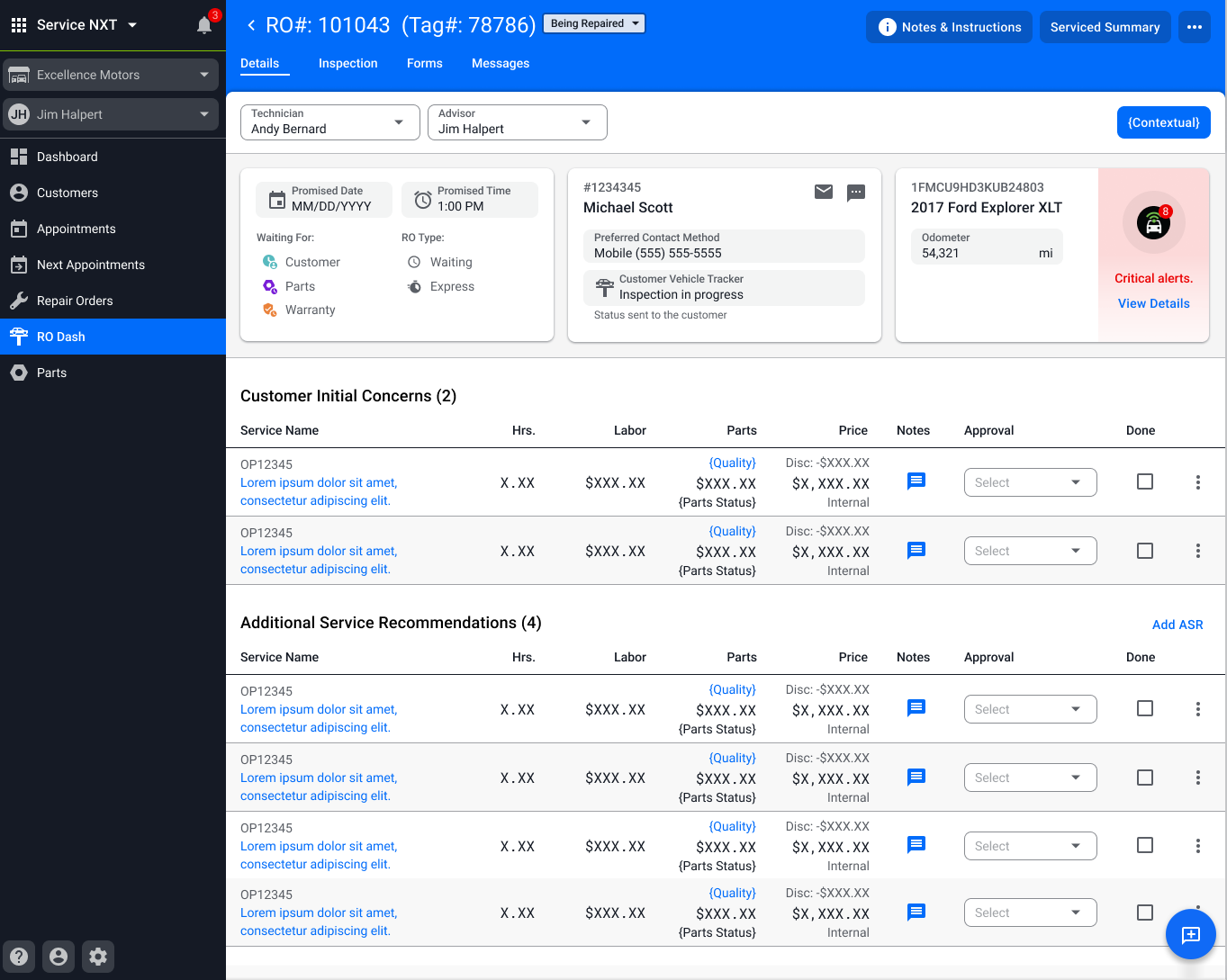
Production Software: The new design system increased density of components, a user expectation.

Production Software: The new design system created a consistent framework across the portfolio of products but left team flexibility to design unique content for a products users.